
Our specialties
Exams & training

Member benefits

View

Cancer campaigning

Cancer is a devastating disease that affects us all. As representatives of preeminent cancer doctors in the UK we know we need to invest in the cancer workforce, IT and equipment, and treatments to meet cancer head-on. 

We are the home of Clinical Oncologists

We lead, educate and support doctors to treat cancer today and for the future. Our members are the expert doctors running cancer services and delivering the latest treatments in the UK.

Learn more about clinical oncology

Right now, we are facing serious challenges in treating cancer. Below is a collection of our analysis and positions on cancer in the UK, highlighting the problem and solutions to improve these essential services.  

If you would like to discuss our work in cancer treatment, please contact the College's External Affairs team on: [email protected].

Contact our External Affairs team

Key statistics on cancer in the UK

0%

1 in 2 people born in the UK after 1960 will receive a cancer diagnosis.

Source: NHS
0million people

By 2040 there will be an estimated 5.3 million people living with cancer in the UK - a 2.3 million increase from 2020.

Source: Macmillan Cancer Support
An increase of0%

Cancer incidence in the UK has risen by 40% since 2002, and by 19% only in the last decade.

Source: Macmillan Cancer Support
0people

335,000 people started treatment for cancer in the last year, up by over 20,000 on same period before the pandemic.

Timeline: July 2022 - June 2023 compared to July 2018 – June 2019 Source: NHS
A shortfall of0%

The UK has a 15% shortfall of clinical oncologists – 175 additional doctors are needed to deliver safe, effective patient care.

Source: The Royal College of Radiologists
A shortfall of0%

By 2027, it is projected that the shortfall of clinical oncologists in the UK will rise to 25%.

Source: The Royal College of Radiologists

Workforce census

Our census report presents a comprehensive picture of the clinical oncology workforce each year, and enables us to speak decisively about the issue. 

Full information, including the data worksheet, complete census report, and reports from previous years, can be found using the link below.

Systemic anti-cancer therapies (SACT)

A critical lack of capacity to deliver systemic anti-cancer therapies (SACT) to patients is considered to be the most pressing problem facing oncology departments across the UK. 

The demand for SACT is surging, and we have been working to address the issue in the short, medium, and long terms.

Find out more about the capacity crisis and our work in SACT, including information on our government briefings.

Radiotherapy

Radiotherapy services are increasingly reporting long delays for patients needing treatment.  

Our Radiotherapy Board have developed a policy briefing which explores the main drivers of lengthening waiting times and what action we need at a national and local level to support services. 

13
1 of 1
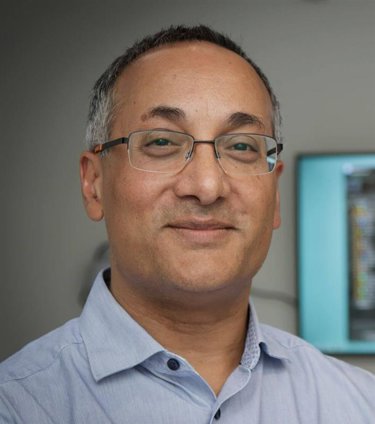
  • "With one in two people developing cancer in their lifetime, we can all appreciate how important excellent, timely treatment is. However, cancer departments are facing huge pressures and too many patients are not getting the diagnoses and treatments they need as quickly as they should be.

    We know that for every four-week delay before patients start treatment, the risk of death increases by up to 10%. The UK Government must prioritise investing in the cancer workforce, equipment and treatments so we can meet the needs of cancer patients today and long into the future."

    Dr Tom RoquesVice-President Clinical Oncology

For media enquiries

Our Officers

Read more about the consultant oncologists leading the Royal College of Radiologists in our list of Officers, which gives details of each role and information on those currently in post.

Our Officers