Developing leadership skills as a radiology resident
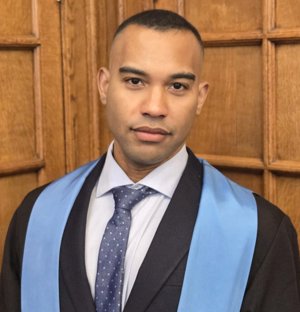
Article by: Dr Marcus Belasco
Dr Marcus Belasco, incoming consultant at Queen Elizabeth Hospital Birmingham (QEHB), reflects on his leadership journey – from mentoring new residents to representing colleagues and influencing change with senior stakeholders.
Could you tell us more about the leadership roles or opportunities you have undertaken, and what they involved?
I am currently a Co-Lead Radiology Resident at QEHB, where I represent the resident body, support coordination of the rota and act as a link between residents, college tutors and the clinical lead on workforce, training and operational matters.
Regionally, I have represented resident doctors on the West Midlands School of Radiology Board. Nationally, I served as an executive member of the Radiology Resident Doctors Forum, contributing to discussions on training quality, workforce pressures and rota design. I also represented radiology at GMC resident doctor forums addressing regulation and training standards.
More recently, I chaired the neuroradiology session at the College’s Radiology Specialist Interest Showcase. These roles have given me experience of representing colleagues at departmental, regional and national levels and of translating frontline concerns into constructive discussions with senior stakeholders.
Which leadership qualities do you believe are most important in radiology?
Pragmatism, empathy and the ability to see the bigger picture are particularly important. Radiology is a high-volume specialty, and operational decisions can have an immediate effect on patient care, training and staff wellbeing.
Effective clinical leaders need to understand the pressures experienced by frontline teams while also engaging with wider workforce, financial and organisational priorities. For me, that means listening carefully, identifying the underlying problem and using objective evidence to develop practical and deliverable solutions. Leadership is not simply about proposing change; it is also about understanding the system well enough to make that change sustainable.
Can you share an example of a leadership initiative you have led and the impact it has had?
The transition from academy-based teaching to acute clinical practice can be daunting for new ST1 doctors. To help bridge that gap, I established a pilot peer mentorship programme at QEHB, pairing each new ST1 with a senior resident who could provide informal, day-to-day support on issues ranging from practical reporting advice to navigating departmental workflows.
Because the programme sat outside formal consultant assessment structures, it provided a psychologically safer space in which residents could ask questions and discuss uncertainty. Feedback showed improved confidence and preparedness among the new ST1s, with both mentors and mentees rating the programme highly. It also strengthened connections between junior and senior residents and provided an additional route for identifying trainees who might benefit from early support.
The same evidence-led approach also informed my work examining out-of-hours radiology workload. I analysed six months of service data and undertook a prospective overnight study to quantify the effect of vetting calls, interruptions and competing demands on reporting capacity. The work demonstrated a measurable capacity deficit and provided an objective basis for discussions about workforce planning and service design.
What challenges have you faced as a resident doctor taking on leadership responsibilities?
One of the main challenges is balancing leadership and service-improvement work with a demanding clinical schedule. During busy clinical or on-call periods, patient care must remain the priority. Progressing educational, operational or advocacy projects alongside those responsibilities therefore requires organisation, collaboration and the support of colleagues.
Another challenge is influencing change without always having formal authority. As a resident doctor, you may identify a problem and develop a solution, but implementation often depends on engaging several professional groups and understanding their different priorities. This has taught me to involve stakeholders early, communicate clearly and focus on changes that are proportionate, achievable and relevant to everyday clinical work.
What advice would you give to a fellow resident doctor who is hesitant about stepping into a leadership role?
Start with a specific problem that affects people in your own working environment. You do not need a formal title to demonstrate leadership; it often begins with recognising an issue, taking responsibility for it and bringing others together to improve it.
For example, our departmental teaching programme previously relied on manual emails for attendance recording, feedback collection and certificate generation. I redesigned the process using Microsoft Bookings, Forms and Power Automate, creating a more streamlined system for registration, attendance and CPD documentation. It was a relatively small project, but it reduced administrative work and made the programme easier for both organisers and trainees to use.
Small projects are also an opportunity to learn the fundamentals of leadership: defining the problem, involving stakeholders, testing a solution and evaluating its effect. Looking ahead, I believe radiology leadership will increasingly depend on this form of digital pragmatism. By improving workflows and making better use of data, we can protect clinical time, strengthen training and ultimately improve patient care.