How to build a CV for a consultant post
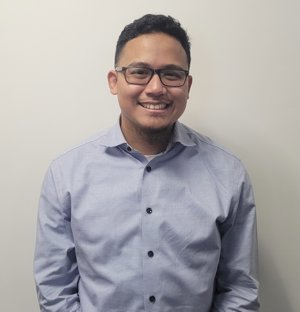
Article by: Dr Iskandar Mohamed
Are you approaching the final stages of training and thinking about applying for a consultant role? Dr Iskandar Mohamed, clinical oncology consultant at The Christie NHS Foundation Trust, shares his advice on when to start building your CV and the key sections to include.
When would you recommend starting to build your CV?
Once you have found your feet within the training programme – there’s never a better time than now. In practice many of us start feeling comfortable looking for extra projects after we have cleared major exams such as completing all part 1 papers, or after passing FRCR 2B. I adopted a similar approach.
With the benefit of hindsight, I would recommend drafting your CV (as if you are applying for a consultant post) much earlier; for example, halfway through ST3. This would allow you to see which parts of your CV are strong, and which parts need some work. This can then help inform what additional work or opportunities you will prioritise being involved in.
What are the key sections every CV for a consultant post should include and how did you prioritise/structure these?
I found the acronym CAMP (C – clinical, A – academic (research/teaching), M – management/leadership, P – personal) very useful to follow.
Some experiences (such as some research projects) require considerable planning beforehand and so you should map out what you can achieve with the time that you have.
You might notice that research and teaching are put together but I would recommend considering these as separate entities.
I went for what most interested me, which were education/teaching and leadership. I was also involved in some research, but not to a huge degree. If I were aiming for a job with a large research/academic component then research and higher degrees would have played a more prominent role.
What experiences or achievements are employers particularly looking for in a consultant application and how did you make sure your application stood out?
In my opinion, organisations want someone who can: 1) do the job; and 2) work well within the current team (both in the department and more widely).
Some people downplay the importance of the second point, but medicine is a team game, and working in clinical oncology is no different. Employers understand this very well and will look for someone who can bring both of these points to the table.
Consultant job interviews are also a bit different from other job interviews because clinical competence is already assumed once you’ve completed specialty training and achieved your CCT. To make yourself stand out, demonstrate competence within your tumour subsite. For example, it could be from feedback from your supervisors and from projects (audits/research papers) that you have completed within that specific tumour subsite.
Standing out for the second point (working well with the team) is generally where the internal candidates to a job application sometimes have an edge. If you are applying for a job in a new trust or somewhere you have not worked before it is important to arrange meetings with the heads of service, managers and other members of the team – this would allow them to have a better idea of what you are like as a person (beyond the CV).
During my pre-interview meetings I specifically asked what they were hoping the appointed consultant would do and what their priorities were. You may find that the priorities of a department lead is different to what is of prime importance to the service manager or the CEO.
Experiences or achievements which show particular qualities (for example; leading a team, working with multiple stakeholders or seeing a large project through to completion) are excellent as they highlight your competence and your ability to work well in a team. This can sometimes be hard to come by in training and sometimes an out of programme fellow year or a higher degree may give you the breathing space you need to gain these opportunities.
I tailored my application to the job description and showed how my experiences fit with what they wanted. I also incorporated information that I gleaned from my conversations with the team into my application. This fed into the answers that I gave during the interview itself.
What’s one thing you wish you’d started earlier when building your CV?
Planning out academic projects and research opportunities.
What are the three things every resident should do in the 12 months before applying for a consultant post?
Have a clear idea of what you (in your role as a consultant) 1) do not want to do, 2) may want to do, and 3) definitely want to do. This will set your boundaries of what you are willing to accept and/or accommodate.
Review your CV, update it and get feedback from trusted senior colleagues. This can be consultants in your current trust, or it may be consultants elsewhere who you have already developed a good working relationship with.
Reach out to the heads of department of the hospitals that you are interested in. Attach your CV and ask if you can arrange a meeting to talk about possible job openings. Ask them about what they are looking for in a candidate.